
How Long Does It Take to Learn to Operate a Slitting Machine?
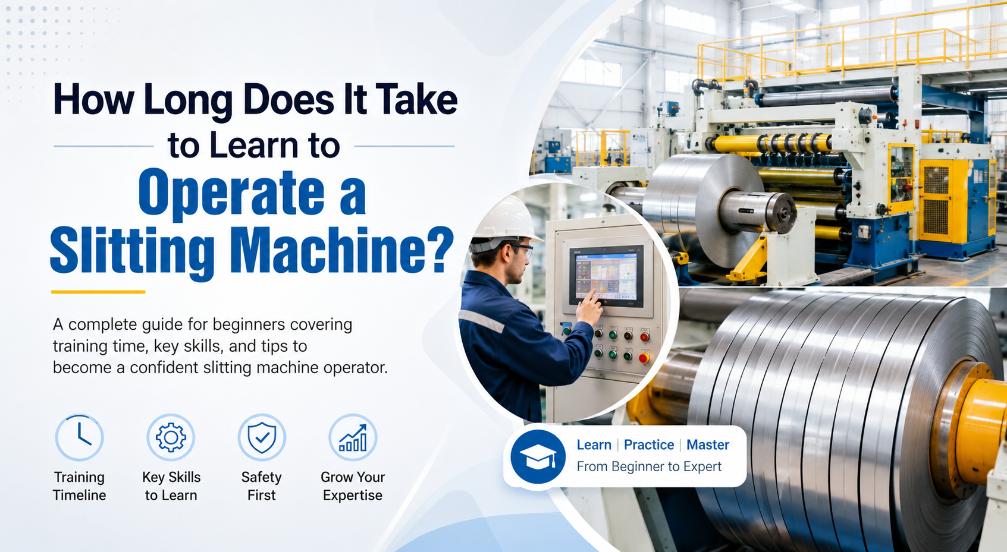
Operating a steel slitting machine may look complicated at first, especially for beginners entering the steel processing industry. However, with proper training, hands-on practice, and a good understanding of safety procedures, most operators can learn the basics within a few weeks and become fully confident in a few months.
Modern slitting lines are designed with automation, user-friendly controls, and advanced safety systems that make learning much easier than it was years ago. Companies using high-quality equipment like Primet USA Slitting Lines often experience faster operator training and smoother production performance because the machines are engineered for efficiency and ease of operation.
What Is a Slitting Machine?
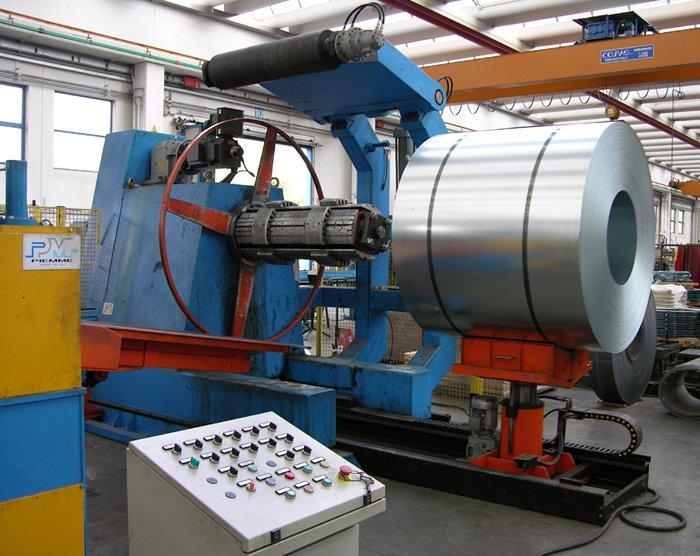
A slitting machine, also called a steel slitting line, is used to cut wide steel coils into narrower strips with precise widths. These strips are later used in industries such as:
- Automotive manufacturing
- Construction
- Tube mills
- Appliance manufacturing
- Roofing and panel production
- Metal fabrication
Modern slitting lines can process HR, CR, galvanized, and color-coated steel coils with high accuracy and speed
How Long Does Basic Training Take?
For most beginners, the learning timeline usually looks like this:
| Training Stage | Estimated Time |
|---|---|
| Basic machine understanding | 3–7 days |
| Safety training | 1–2 weeks |
| Assisted machine operation | 2–4 weeks |
| Independent operation | 2–3 months |
| Advanced troubleshooting mastery | 6–12 months |
The exact duration depends on:
- Machine complexity
- Operator experience
- Type of steel being processed
- Automation level
- Production speed requirements
Someone with prior experience in steel processing or industrial machinery may learn significantly faster.
Key Skills Operators Need to Learn
1. Understanding Coil Handling
Operators must learn how to:
- Load master coils safely
- Align material properly
- Handle coil tension
- Prevent material damage
Incorrect coil handling can lead to production defects and machine downtime.
2. Slitter Knife Setup
One of the most important skills is setting up rotary slitting knives correctly. Operators learn:
- Knife spacing
- Strip width calculations
- Proper blade alignment
- Burr reduction techniques
Precision setup directly impacts product quality.
3. Machine Control Systems
Modern slitting lines include:
- PLC controls
- Touchscreen HMIs
- Automated tension systems
- Speed synchronization controls
New operators usually need several weeks to become comfortable with these systems.
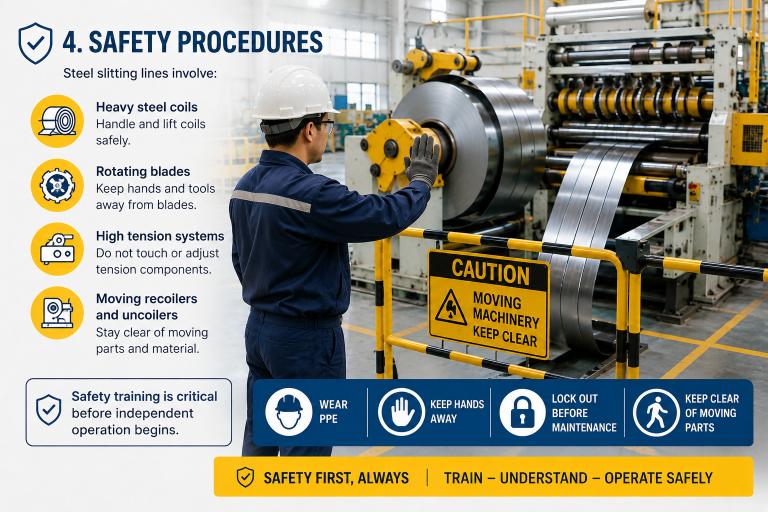
4. Safety Procedures
Steel slitting lines involve:
- Heavy steel coils
- Rotating blades
- High tension systems
- Moving recoilers and uncoilers
Safety training is critical before independent operation begins.
Factors That Affect Learning Speed
Machine Automation Level
Highly automated machines are easier to learn because many processes are controlled electronically. Advanced systems reduce manual adjustments and operator fatigue.
According to Primet USA Slitting Lines, modern slitting systems now include hands-free threading and automated feeding features that improve both productivity and ease of operation.
Operator Background
People with experience in:
- CNC machines
- Roll forming
- Steel processing
- Mechanical maintenance
usually adapt much faster.
Material Type
Thicker materials and specialty steel grades require more experience because they demand accurate tension control and knife setup.
Can Someone Learn Without Experience?
Yes. Many companies train fresh operators from scratch.
A beginner can become productive relatively quickly if they:
- Follow safety rules carefully
- Work under experienced supervision
- Practice machine setup regularly
- Understand steel behavior during slitting
Hands-on experience is the biggest factor in becoming skilled.
Common Challenges for Beginners
New operators often struggle with:
- Burr formation
- Coil tracking issues
- Improper tension settings
- Blade wear management
- Scrap generation
- Recoiling defects
These issues become easier to manage with real production exposure.
How to Learn Faster
Here are some proven ways to accelerate learning:
Practice Machine Setup Daily
Repetition improves accuracy and confidence.
Understand the Entire Production Flow
Learning uncoiler, slitter head, separator, tension stand, and recoiler functions together helps operators troubleshoot faster.
Learn Preventive Maintenance
Basic maintenance knowledge reduces downtime and improves machine life.
Work With Modern Equipment
Advanced slitting lines with better automation are easier to operate and safer for beginners.
Final Thoughts
Learning to operate a slitting machine is not something that happens overnight, but it also doesn’t require years of training. Most operators can understand the basics within a few weeks and become confident professionals within several months.
The learning process becomes much easier when working with reliable, high-performance equipment. Modern systems like Primet USA Slitting Lines are designed to improve efficiency, safety, and operator convenience, helping businesses train operators faster while maintaining excellent production quality.
If you are looking for a slitting line service, get in touch with us.
Share Post